

Clontarf sits on Middle Harbour just north of the Spit Bridge, a small residential suburb wrapped around Clontarf Reserve and its sheltered netted beach, with Sandy Bay next door and the bushland of Sydney Harbour National Park rising behind. The Manly to Spit coastal walk passes through it. It is one of the northern beaches’ quietest and most attractive pockets, and one of its most desirable.
That setting shapes what a Clontarf florist does. This is a suburb of substantial homes on steep blocks with water views, a strong outdoor lifestyle, and a genuine appetite for coastal and native floral styles rather than formal city arrangements.
What Makes a Good Clontarf Florist
Coastal-appropriate design comes first. A Clontarf florist working with textural natives, quality foliage, restrained palettes and loose organic shapes will suit local homes far better than tightly structured formal work.
Think banksias, proteas, flannel flowers, kangaroo paw and gum foliage blended with softer garden blooms. Whites, greens, soft blues and warm sandy tones sit beautifully in homes orientated towards the water.
Heat and Salt Are Real Factors
Waterfront and near-waterfront homes get strong light and, in exposed positions, salt-laden breeze. That matters for outdoor arrangements at events and for anything positioned near open glass.
A good Clontarf florist accounts for it by recommending sturdier varieties for warm, bright rooms and for outdoor use. Delicate hydrangeas and sweet peas are a poor choice on an exposed deck in February.
Wedding and Event Flowers
Clontarf Reserve and the surrounding foreshore are genuinely popular ceremony locations, and the suburb’s garden properties host plenty of receptions and celebrations. Wedding work is a real part of what a Clontarf florist does.
Choosing the right florist matters more than most couples realise. This walkthrough on how to choose your we dding florist covers the practical process: setting a budget first, working out what style you actually want, and how to assess whether a florist has genuinely delivered that style before.
For a beach or foreshore ceremony specifically: wind is the dominant constraint. Tall delicate installations do not survive it. Lower, weighted arrangements, sturdy native material and bouquets kept in water and shade until the last moment are what actually work.
Permits for Foreshore Ceremonies
Ceremonies in council-managed reserves usually require a permit, and there are rules on structures, setup times and access. Check before commissioning any installed floral work, because retrofitting around a restriction always costs more.
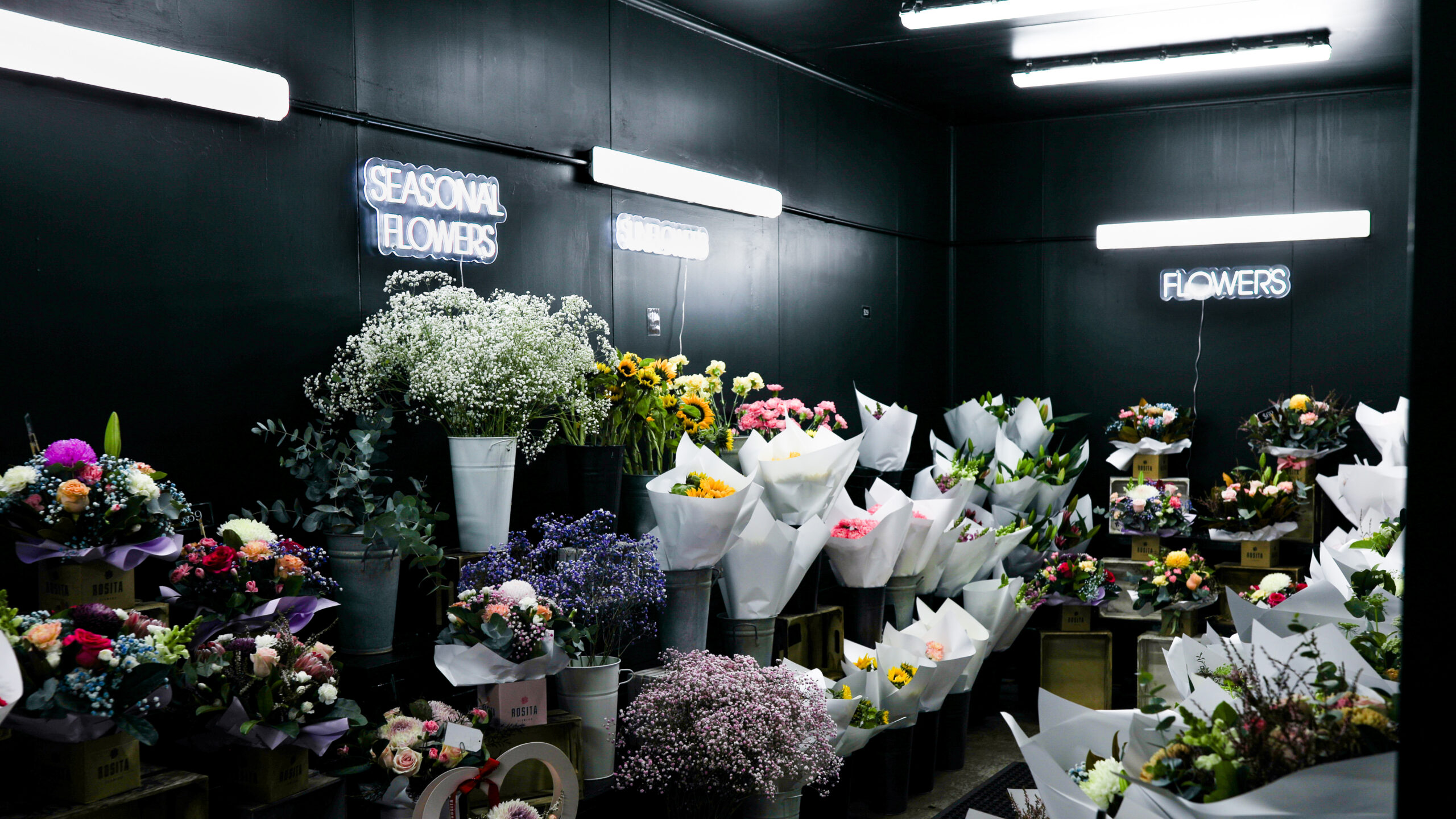
Delivering Across Clontarf
Clontarf is almost entirely freestanding homes on steep blocks, with essentially no apartment stock. There are no intercoms to negotiate, but the topography is genuinely demanding.
Streets fall away sharply towards Middle Harbour, many homes are accessed by long steep driveways or flights of stairs from the road, and parking is limited on narrow streets. Access is via the Spit Road corridor, which is heavily congested at peak times.
When ordering from a Clontarf florist, provide the full street address, driveway or stair access notes, and the recipient’s mobile number. If nobody will be home, nominate a shaded, secure spot, well away from direct sun.
Timing
Same day delivery is generally available on weekday orders placed before the cut-off, usually around midday. Spit Road traffic makes late-afternoon delivery windows unreliable, so morning or early afternoon is materially better.
Saturday cut-offs are earlier and Sunday coverage is limited. For weekend occasions, order by Friday morning.
Occasions Clontarf Residents Order For
Birthdays and anniversaries lead, followed by new babies, thank yous and sympathy arrangements. Milestone occasions are well represented given the number of long-term residents.
Entertaining is a major driver. Clontarf homes host a lot of outdoor gatherings, lunches and celebrations, which generates demand for table arrangements, entry pieces and seasonal styling rather than single gift bouquets.
Wedding and event work adds substantially, from beach and reserve ceremonies to home receptions.
Making Flowers Last in a Coastal Home
Bright, water-facing rooms are the toughest environment for cut flowers. Light and heat drive water loss faster than anything else.
The routine: clean vase, fresh water, stems trimmed at an angle with a sharp blade, all foliage below the water line removed, water changed every second day with a fresh trim each time.
Keep arrangements well back from unshaded glass, away from air-conditioning outlets, and away from ripening fruit. If a room gets afternoon sun off the water, move the arrangement in the afternoon rather than leaving it to cook.
Choosing for Coastal Conditions
Ask the Clontarf florist for robust stock: proteas, banksias, orchids, chrysanthemums, alstroemeria and carnations all substantially outlast soft-stemmed garden blooms in warm, bright coastal rooms.
Seasonal Buying Through the Year
Spring brings tulips, ranunculus, sweet peas, blossom branches and a brief peony window, along with peak native flowering. Summer offers dahlias, hydrangeas, sunflowers and zinnias, with heat as a real design constraint. Autumn delivers deeper roses, chrysanthemums and rich foliage. Winter is the value season, with anemones, hellebores, camellias, wattle and banksia.
A Clontarf florist buying in season delivers fresher flowers at better value, and seasonal blooms naturally share a palette so they arrange together more coherently.
Why Natives Suit the Coast
Australian coastal and heath species evolved under exactly the conditions Clontarf provides: strong light, salt exposure, thin soils and long dry periods. Research into Australian plant ecology, including work on how native species respond to climate and environmental stress at UNSW, examines the traits behind that resilience.
For floral purposes, the outcome is straightforward: species built for a harsh coastal environment hold their form in a warm, bright room far longer than blooms bred in a controlled greenhouse.
Local Council Information
For local planning, reserve and foreshore management, event permits, community updates and council services, Northern Beaches Council is the primary resource for Clontarf residents and businesses, alongside neighbouring suburbs including Balgowlah Heights, Seaforth and Manly.
The council manages Clontarf Reserve, Sandy Bay and the surrounding foreshore, which is directly relevant for anyone planning a ceremony, gathering or event and needing to understand permits, setup rules and access.
Briefing Your Clontarf Florist
Give the occasion, the recipient, a palette direction, anything to avoid, and an honest budget. Mention where the arrangement will sit, especially if it is a bright, water-facing room. Mention pets so lilies can be substituted.
For events, mention sun and wind exposure early. It changes the variety selection substantially and prevents a design that cannot survive the conditions.
For Beach Ceremonies
Keep it low, keep it weighted, keep it native or textural, and keep bouquets in water and shade until the ceremony starts. It is not a limitation, it is what makes a coastal ceremony look effortless.
Final Thoughts on Choosing a Clontarf Florist
The right Clontarf florist understands coastal conditions, works confidently with native and textural material, handles the suburb’s steep driveways and stair access, and plans around Spit Road traffic. Look for daily seasonal buying and honest advice about what will actually survive the setting.
Lush Flower Co hand-arranges fresh seasonal and native bouquets, wedding flowers and event arrangements, delivering throughout Clontarf and the surrounding northern beaches and harbour suburbs.